
Explore the free online Mere Christianity Study Guide, a 12‑session workbook offering multi‑week options and five daily studies each week. Designed to deepen understanding, it equips readers to defend Christianity in a post‑modern world. global learners and share insights. Together. Joy!
Purpose and Learning Outcomes
The Mere Christianity Study Guide is a free, online workbook that structures C. S. Lewis’s classic into twelve sessions, each offering five daily studies. It invites readers to explore the book’s core themes—moral law, God’s nature, and Christian living—through reflective questions and discussion prompts. By engaging with the material at a steady pace, participants sharpen critical thinking, deepen theological insight, and gain confidence in articulating and defending Christian ideas in modern dialogue.
Throughout the guide, learners are encouraged to record personal reflections, share insights with peers, and revisit earlier chapters to reinforce understanding. The flexible format allows individuals to tailor the pace to their schedules, ensuring that each participant can fully internalize the content and emerge with a renewed appreciation for Lewis’s enduring impact.
In addition to the core studies, the workbook offers optional supplementary materials—such as reading lists and discussion prompts—to support a holistic learning journey that blends intellectual rigor with spiritual growth. Participants will also learn practical ways to apply Lewis’s teachings to everyday moral dilemmas, fostering compassionate dialogue and thoughtful engagement with contemporary issues.
This free, online Mere Christianity Study Guide is designed for anyone who wants to delve into C. S. Lewis’s classic in a structured, reflective format. It is ideal for students, small‑group leaders, church volunteers, and individual readers seeking a deeper grasp of Christian moral philosophy, the nature of God, and practical faith. It is 12‑session layout fits busy schedules, offering five daily studies that can be completed in about 30 minutes.
The workbook’s clear questions and discussion prompts help readers engage with Lewis’s arguments, test their own assumptions, and articulate insights in a supportive community. By reflecting on each chapter, participants can move beyond surface reading into meaningful dialogue and personal transformation.
Whether you are a seasoned scholar, a curious newcomer, or someone looking to strengthen your faith, this guide invites you to explore Lewis’s ideas, apply them to everyday situations, and develop confidence in discussing Christianity in a post‑modern world.
In addition, the guide offers optional supplementary materials such as reading lists, discussion prompts, and links to related resources, allowing learners to extend their study beyond the core sessions. The flexible format ensures that anyone can adapt the pace to fit their personal or group schedule, making it a practical tool for lifelong learning. Use for groups
Join the community of learners and experience a transformative journey through Lewis’s timeless insights.

How to Use the Guide Effectively
Begin by reviewing the 12‑session outline to understand the overall flow. Allocate a consistent time slot each day—ideally 30 minutes—to read the assigned chapter and complete the accompanying study questions. Use the daily reflection prompts to jot down insights, doubts, and personal applications. After each session, review your notes and share key points with a study partner or group; this dialogue sharpens comprehension and uncovers new angles.
Leverage the supplementary materials—links to related articles, audio commentaries, and discussion forums—to deepen context. When encountering difficult passages, pause to research historical background or theological terms; the guide’s footnotes often point to useful resources. Keep a dedicated journal; over time, patterns will emerge that illustrate how Lewis’s arguments resonate with contemporary life.
Finally, schedule a weekly recap: summarize the week’s themes, identify any unresolved questions, and set goals for the next week. This cyclical process transforms passive reading into active learning, ensuring that each chapter’s insights are internalized and applied.
Use this guide consistently, reflect deeply, and share insights. The more you engage, the richer the experience becomes. Remember to revisit challenging passages, discuss with peers, and apply lessons to everyday life. Your journey through Lewis’s work will grow more meaningful with each thoughtful session.
Continue exploring daily.OK!
Remember that the true value lies in the dialogue you foster. Each conversation deepens your grasp of Lewis’s theology and strengthens your faith journey. Keep your notes organized and revisit them regularly to track growth. Share insights with your group today.soon.

Overview of C. S. Lewis’s Mere Christianity
Lewis’s classic, distilled from wartime radio talks, presents a rational case for Christianity, exploring moral law, the nature of God, and human purpose. It blends logic, narrative, and faith, inviting readers to examine belief through clear, accessible arguments. Timeless wisdom sparkswonder

Book Structure and Chapters
Lewis’s Mere Christianity is organized into four books, each containing several chapters that build a logical progression from human moral intuition to Christian living. Book I, “The Law of Human Nature,” opens with the premise that a universal moral law exists, then examines its implications for justice, responsibility, and the need for a moral lawgiver. Book II, “The Nature of God,” explores the concept of God as a moral and loving being, contrasting divine attributes with human limitations. Book III, “The Christian,” discusses the nature of Christian belief, the role of Christ, and the transformative power of faith. Finally, Book IV, “Christian Behavior,” addresses practical aspects such as love, forgiveness, and the Christian’s duty to society. Each chapter is concise, yet rich with examples, philosophical arguments, and theological insights, making the text accessible to both scholars and lay readers alike.
- Book I: The Law of Human Nature – 5 chapters.
- Book II: The Nature of God – 6 chapters.
- Book III: The Christian – 7 chapters.
- Book IV: Christian Behavior – 4 chapters.
Each book’s chapters are numbered sequentially, with Book I containing chapters 1–5, Book II 6–11, Book III 12–18, and Book IV 19–22, providing a clear roadmap for study.

Readers can navigate the guide using the chapter numbers, ensuring a structured progression through Lewis’s arguments and reflections.
Enjoy now.

Reflect on points ok.
Core Themes and Arguments
Lewis’s study guide distills the book’s central ideas into three interlocking themes: the existence of an objective moral law, the nature of the divine moral agent, and the practical implications for Christian living. The first theme argues that all humans share a common sense of right and wrong, which points to a moral lawgiver beyond society. The second theme examines God as the ultimate source of moral order, highlighting His attributes of love, justice, and mercy, and explaining how these attributes shape Christian doctrine. The third theme translates theory into practice, urging believers to embody love, humility, and service, and to confront social injustice with compassion and conviction. Each chapter presents logical reasoning, biblical references, and philosophical critique, allowing readers to trace the progression from moral intuition to a lived faith. Lewis also addresses the problem of moral relativism, arguing that cultural differences do not invalidate the moral law but rather illustrate its universal application. He emphasizes the role of the Holy Spirit in guiding believers toward moral discernment, and he outlines how Christian ethics demand both personal transformation and social responsibility. By integrating philosophical rigor with scriptural authority, the guide invites readers to critically assess their own moral frameworks and to align them with the divine standard presented in the text. Readers are encouraged to note how Lewis’s arguments resonate with debates.
Historical Context and Impact
Published in the early 1950s, C. S. Lewis’s Mere Christianity emerged from wartime radio broadcasts that sought to clarify Christian belief for a skeptical audience. The book’s concise, logical style resonated during a period of post‑war secularism, offering a bridge between faith and reason. Since its 1952 release, it has sold over 10 million copies worldwide and inspired countless study groups, churches, and academic courses. The free online study guide, released in 2023, builds on this legacy by providing a structured, 12‑session workbook that aligns with Lewis’s original chapters. It incorporates contemporary theological commentary, interactive reflection prompts, and links to biblical passages, making the text accessible to modern readers. The guide’s impact is evident in its adoption by thousands of churches and educational institutions, fostering deeper engagement with Lewis’s arguments and encouraging participants to apply his moral insights to contemporary social issues. By contextualizing the book within its historical moment and extending its reach through digital resources, the guide preserves the enduring relevance of Lewis’s message while inviting new generations to explore the foundations of Christian ethics. This guide also offers optional audio transcripts, downloadable PDFs, and a companion app us, ensuring accessibility for diverse learning styles and encouraging participants to revisit key passages at their own pace for all ages, learners and

Structure of the Study Guide Sessions
Designed as a 12‑session journey, the guide maps each chapter of Lewis’s book to daily reflections, discussion prompts, and supplementary resources. Participants track progress, share insights, and apply core themes to contemporary life, fostering community and deeper understanding for lifelong growth now!!
Session Breakdown and Timeline
Our 12‑session framework aligns with C. S. Lewis’s four‑book structure, offering a clear, step‑by‑step progression. Each session tackles one of the book’s core sections—Faith, Morality, The Christian Life, and the Future—and is broken into five daily mini‑studies. Participants receive a concise summary, key questions, and a recommended reading list that deepens the original text. The timeline allows flexibility: a single‑week sprint for those on a tight schedule or a multi‑week spread that lets participants pause, reflect, and integrate lessons before moving on. Weekly check‑ins encourage accountability, while optional discussion prompts foster community dialogue. By the end of the 12 sessions, readers will have traversed the entire book, developed a personal study routine, and gained the tools to discuss and apply its insights in everyday contexts.
Participants can choose to complete the guide in a single month, dedicating roughly 30 minutes each day, or stretch the experience over three months, allowing deeper reflection and ap
Throughout, the guide encourages reflective journaling, prompting readers to note personal revelations, questions, and how Lewis’s insights intersect with current societal issues. This practice deepens comprehension and fosters a habit of critical thinking and spiritual growth beyond the study period.
Participants are encouraged to share insights in weekly forums, fostering accountability and diverse perspectives that enrich the learning journey for all.!
Daily Study Questions and Reflections
Day 1: What does Lewis mean by “the law of conscience” and how does it shape moral decision‑making? Reflect on a recent choice where conscience guided you.
Day 2: How does Lewis describe the “two realms” of human experience? Consider how this division influences your daily priorities.
Day 3: In what ways does the “moral law” reveal a universal standard? Write an example from society that illustrates this law.
Day 4: Lewis argues that “faith is not a leap in the dark.” What evidence does he provide that faith can be reasoned? Note where reason led you to faith.
Day 5: How does Lewis explain the concept of “the invisible” and its relevance? Identify a moment when you felt something unseen guiding you.
Day 6: What is the significance of the “three parts of Christian life” in the text? List these parts and explain how they interconnect in your experience.
Day 7: Lewis discusses the “problem of sin.” How does he differentiate sin from moral failure? Reflect on how distinction affects your view of forgiveness.
Day 8: In the section on “the nature of God,” what arguments does Lewis use to demonstrate God’s existence? Summarize an argument and evaluate its persuasiveness.
Day 9: How does Lewis portray the “afterlife” and its implications for moral living? Write a reflection on how belief in an afterlife might change your actions.
Day 10: Conclude the study by summarizing the key insights you’ve gained. Identify one practical change you will implement to live fully in accordance with Lewis’s moral law. Use these prompts to deepen your engagement and share insights with peers. and apply them in daily life. OK!
Supplementary Materials and Resources
Supplementary Materials and Resources: This guide offers a curated list of free and paid resources to deepen your study of Mere Christianity. Key items include the official C. S. Lewis Society website, the Biblical Studies Center e‑book, a YouTube video series titled “Mere Christianity Explained,” the Dr. Joseph McRae discussion guide, the Theology Today journal, and online community forums such as Reddit and Facebook Study Group. These resources provide structured reading plans, discussion prompts, and peer-reviewed articles to support your learning journey.

Additional resources are available through the study group, including podcasts. A curated list of recommended books, commentaries, and academic articles that provide deeper insight into Lewis’s arguments. The guide encourages learners to engage with these materials at their own pace, allowing for personal reflection and discussion within the community. By integrating these resources, readers can enrich their understanding of Christian apologetics and apply the principles of Mere Christianity to everyday life.
The study guide also offers a selection of quizzes and reflective exercises that test comprehension and encourage deeper contemplation. Members can track progress through a digital dashboard, share insights on social media, and participate in challenges that reinforce key lessons. These tools help sustain motivation and that participants remain engaged and supported throughout the journey!

Discussion Topics and Community Engagement
Engage in weekly live chats, debate key themes, and share personal insights. Use the online forum for Q&A, peer reviews, and resource sharing. Participate in monthly challenges, track progress, and celebrate milestones together. Build lasting connections and deepen faith. Share reflections on social media. encouraged to share insights.!
Key Discussion Questions per Session
Session 1: How does Lewis define the “law of human nature” and why is it central to Christian ethics, shaping moral judgment? Session 2: In what ways does the “Christian attitude” challenge everyday moral choices, from secular frameworks? Session 3: Discuss the significance of “the nature of God” within the book’s argument, focusing on divine attributes. Session 4: How does Lewis explain the “problem of evil” and what implications does this have for faith, including his proposed solution? Session 5: Evaluate the “nature of the church” as presented, considering roles, responsibilities, envisioned church life, and its impact on community life in everyday life. Session 6: What role does “the Christian life” play in shaping personal identity, and what habits does Lewis recommend? Session 7: Analyze the “Christian responsibility” outlined and its relevance to contemporary society, including suggested practical steps. Session 8: How does the guide address “the nature of salvation” and its impact on believers, emphasizing grace or works and scriptural support for believers? Session 9: Explore the “Christian hope” and its influence on future expectations, including eschatological views. Session 10: Discuss the “Christian community” and its importance for spiritual growth, highlighting fellowship dynamics. Session 11: Reflect on the “Christian mission” and its implications for global outreach, considering cultural challenges. Session 12: Summarize the key takeaways and how they inform personal faith journeys, noting insights to apply first, how to track growth, and how to measure progress!
Online Study Groups and Forums
Many participants join virtual communities that complement the 12‑session Mere Christianity Study Guide. These groups, hosted on platforms such as Facebook, Discord, and dedicated forums, provide a space for real‑time discussion, Q&A, and peer support. Members often schedule weekly live chats that align with each session, allowing them to share insights, ask clarifying questions, and apply Lewis’s arguments to contemporary life. Moderators, often trained in theology or pastoral care, guide conversations, ensuring they remain respectful and focused on the guide’s themes. Some forums host “study buddy” pairings, pairing newcomers with seasoned readers to foster mentorship. Participants can also access downloadable resources, such as printable study sheets, audio commentaries, and supplementary videos that deepen understanding of key passages. The online format offers flexibility: asynchronous posts let members contribute at any time, while scheduled live sessions encourage accountability. Many groups also organize virtual retreats or themed discussion weeks, such as a “Law of Human Nature” deep dive or a “Christian Responsibility” challenge. By engaging in these digital communities, readers can experience the communal aspect of Christian study, receive encouragement, and broaden their perspectives beyond the individual experience of the guide. These online groups let members test Lewis’s ideas in real life, share stories, ask tough questions, and create an environment that keeps faith alive daily and growing.
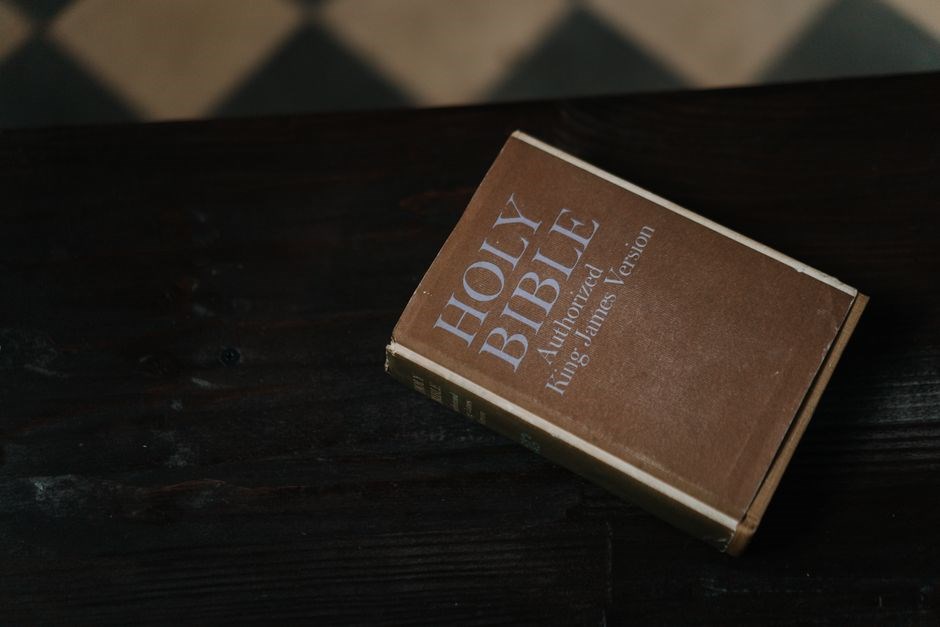
Further Reading and Companion Books
For readers who have completed the Mere Christianity Study Guide, a curated list of companion volumes expands on Lewis’s theology and equips participants to engage deeper with contemporary Christian thought. The following titles are frequently recommended by study groups and online forums:
- Surprised by Joy – C. S. Lewis’s autobiographical account of his conversion, providing context for the arguments in the guide.
- The Problem of Pain – Lewis tackles suffering, a theme that echoes the guide’s discussion of moral law.
- God in the Dock – A modern apologetic that mirrors the guide’s structure, offering fresh evidence for faith.
- Christianity, Socialism, and the State – A historical analysis that complements the guide’s exploration of Christian responsibility.
- Jesus and the Disciples – A companion that delves into the narrative of Christ, enriching the guide’s focus on Christian identity.
These books are available on major retailers and many are offered as free PDFs through university libraries. Pairing them with the study guide’s daily questions encourages a holistic learning experience, allowing participants to trace Lewis’s ideas from personal conviction to public theology. By integrating these resources, readers can extend their study beyond the twelve sessions, fostering ongoing dialogue within online communities local study groups.